Cutting Waste, Not Corners:

Burgtec’s 2026 Sorting Upgrade

Waste doesn’t just take up space. It takes time, attention, truck movements, and a surprising amount of “we’ll deal with it later” energy. In late 2025, Burgtec reviewed how our waste was being handled and mapped a smarter way forward: sort key materials into dedicated recycling streams so less ends up in general waste (and more gets recovered properly). This post shares what we changed, why it matters, and what outcomes we expect, without diving into dollars and cents.

Why we looked at waste in the first place

The goal was simple:

Reduce landfill waste by separating common materials into their own streams, making recycling easier, cleaner, and more consistent across day-to-day operations.

The focus materials were:

  • Cardboard

  • Plastic (including soft plastics)

  • Timber

  • Metal


Where we started: a “general waste heavy” setup

Before the change, our waste profile leaned heavily on general waste bins, with cardboard already separated but not to the extent that reflected the actual volume moving through the business.

In plain terms: too much was being treated as landfill-bound when it didn’t need to be.


The upgrade: dedicated streams for the big four

The proposed model keeps general waste in the mix, but dramatically reduces how much goes into it by introducing clearer, purpose-built streams:

1) General waste reduced significantly

Instead of relying on general waste bins as the default destination, the new model keeps fewer general waste bins in service, supported by better recycling separation.

2) Cardboard capacity increased

Cardboard was already being recycled, but the system is expanded to better match real-world output, especially from packaging and inbound materials.

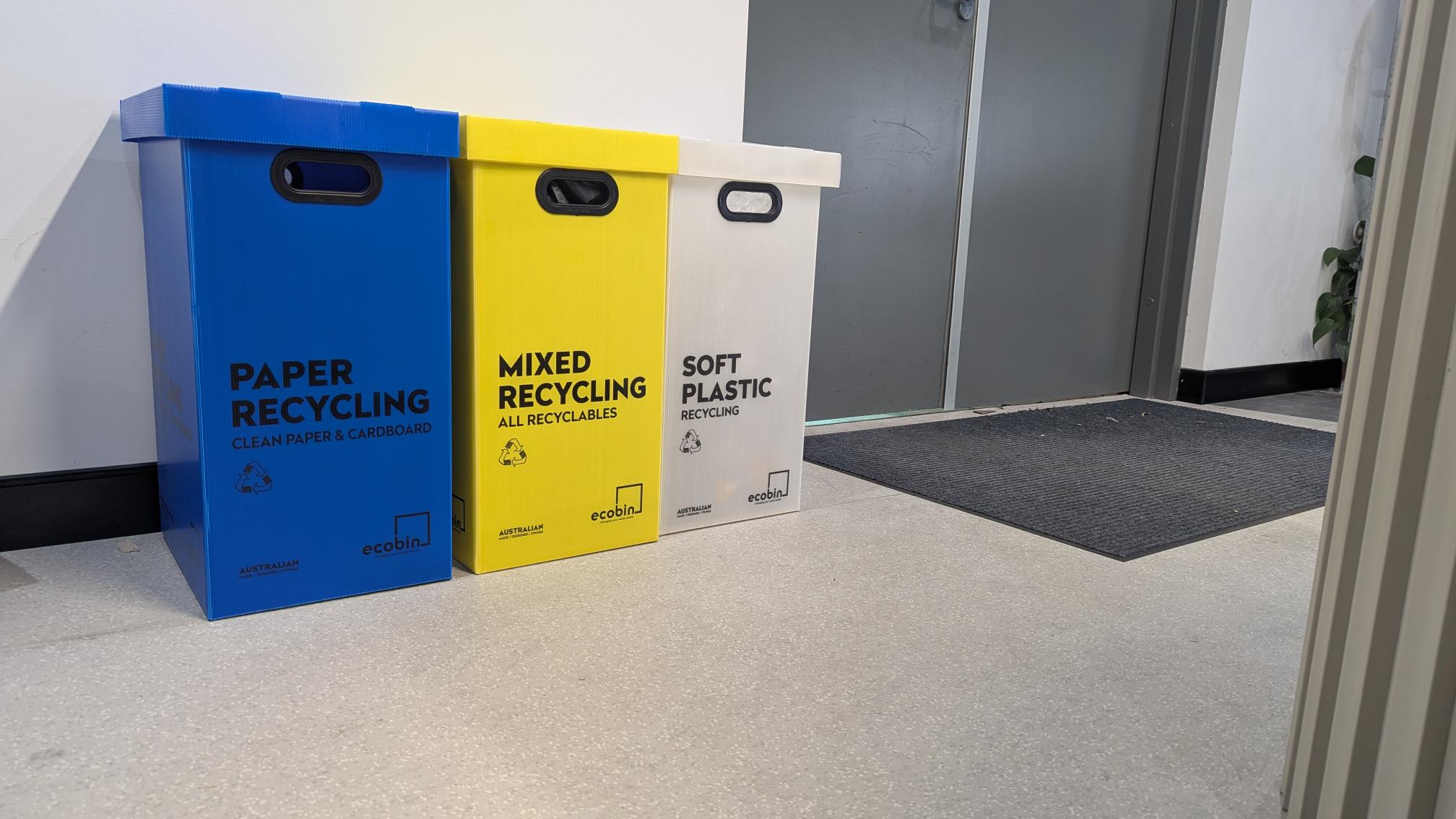
3) Plastics separated into the right pathways (including soft plastics)

Plastic is one of those sneaky materials that ends up everywhere. The updated approach introduces a dedicated stream for plastics and separates recycling from soft plastics, so each material goes into the correct pathway and is less likely to contaminate other streams.

4) Timber recycling introduced

Timber offcuts and packaging materials can quickly clog general waste capacity. Separating timber keeps general waste lighter and improves diversion.

5) Metal recycling introduced

Metal is highly recyclable and should almost never be landfill-bound. A dedicated metal stream improves recovery and reduces contamination across other streams.


What changes operationally

This isn’t just “add more bins.” The real shift is behavioural and practical:

  • Less contamination (materials go where they’re meant to go)

  • Less overflow pressure on general waste

  • Cleaner recycling streams, which improves the chance the material is actually recycled

  • A more predictable waste rhythm for teams on the floor

Think of it like organising a workshop: when everything has a place, you spend less time solving the same mess over and over.

Expected outcomes

Based on the analysis, the proposed segregation model results in:

  • A major reduction in general waste volume, cutting general waste bins from 17 down to 8 (a 53% reduction)

  • Recycling streams expanded, with dedicated pathways for cardboard, plastics (including soft plastics), timber, and metal

  • Greater diversion from landfill, reducing the environmental footprint of our day-to-day operations

  • Stronger alignment with our sustainability goals, by designing waste out of the process rather than reacting to it afterward


Why this matters beyond waste

Waste segregation is one of those operational upgrades that quietly improves everything around it:

  • It supports a more responsible, resilient way of operating

  • It reduces landfill reliance

  • It encourages practical, consistent habits on the floor

  • It makes the “right choice” the easy choice


And at Burgtec, that’s the point. We’re not chasing perfection. We’re building repeatable systems that work.